Prepared meals can make eating well much easier, but convenience alone doesn’t tell you whether a meal is a good fit for your routine.
Two meals can look similar from the outside while having very different ingredients, portions, protein levels, vegetables, and overall nutrition.
So, what should you actually look for?
A healthy prepared meal should provide a reasonable balance of protein, carbohydrates, fats, and other nutrient-dense ingredients while offering a portion that fits your individual needs. Clear nutrition information, ingredient transparency, variety, taste, and convenience can also help you decide whether a meal belongs in your routine.
There isn’t one nutrition number that makes a prepared meal healthy. The better approach is to look at the meal as a whole.
If you’re new to the category, our complete guide to healthy prepared meals explains how prepared meals work and how they compare with other convenient food options.
Start With the Nutrition Label
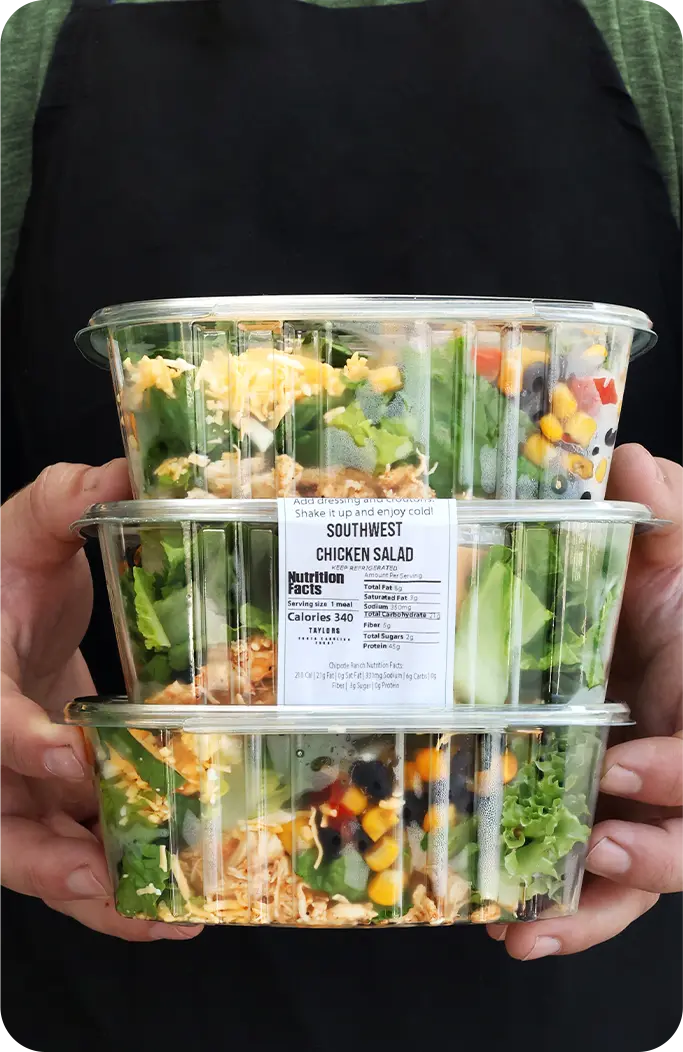
The nutrition label is one of the most useful tools for evaluating a prepared meal.
It gives you information that isn’t always obvious from looking at the food itself, including calories, protein, carbohydrates, fat, fiber, sodium, and serving size.
But don’t make the mistake of looking for one “perfect” number.
A meal with fewer calories isn’t automatically healthier. A meal with more protein isn’t automatically better. And a meal with more carbohydrates isn’t automatically something you need to avoid.
Instead, use the nutrition label to understand how the different parts of the meal fit together.
Ask yourself:
- How much food does the serving actually represent?
- Does the meal provide protein?
- Does the portion seem appropriate for me?
- Are vegetables or other fiber-containing foods included?
- How does the meal fit with everything else I’m eating that day?
Nutrition information is most useful when it helps you make an informed decision rather than turning every meal into a numbers exercise.
Look at Protein in Context
Protein is one of the first things many people check when choosing prepared meals, especially those with active lifestyles.
It makes sense. Protein is an essential nutrient that helps build and maintain muscle and performs many other important functions throughout the body.
But more isn’t automatically better.
Individual protein needs vary depending on factors such as body size, activity level, age, overall diet, and personal goals. That makes it difficult to declare one protein number ideal for every prepared meal.
Instead, look at protein in context.
Consider whether the meal includes a meaningful protein source and whether the overall meal fits your needs.
Protein sources in prepared meals might include:
- Chicken
- Turkey
- Beef
- Fish
- Eggs
- Dairy
- Beans
- Lentils
- Tofu or other plant-based proteins
If protein is particularly important to you, our Protein-Forward Meal Prep guide explores how Lean Kitchen approaches meals where protein plays a central role.
Consider the Portion, Not Just the Calories
Calories can provide useful information, but they don’t tell you whether the portion is appropriate for you.
Consider two prepared meals with similar calorie counts. One might contain a substantial serving of protein, vegetables, and other ingredients, while another could have a very different nutritional composition.
That’s why portion and composition should be considered together.
The right portion also varies from person to person.
Someone eating a quick lunch between meetings may want something different from someone eating after a demanding workout. Appetite, activity level, body size, and what else you’ve eaten throughout the day can all influence what feels appropriate.
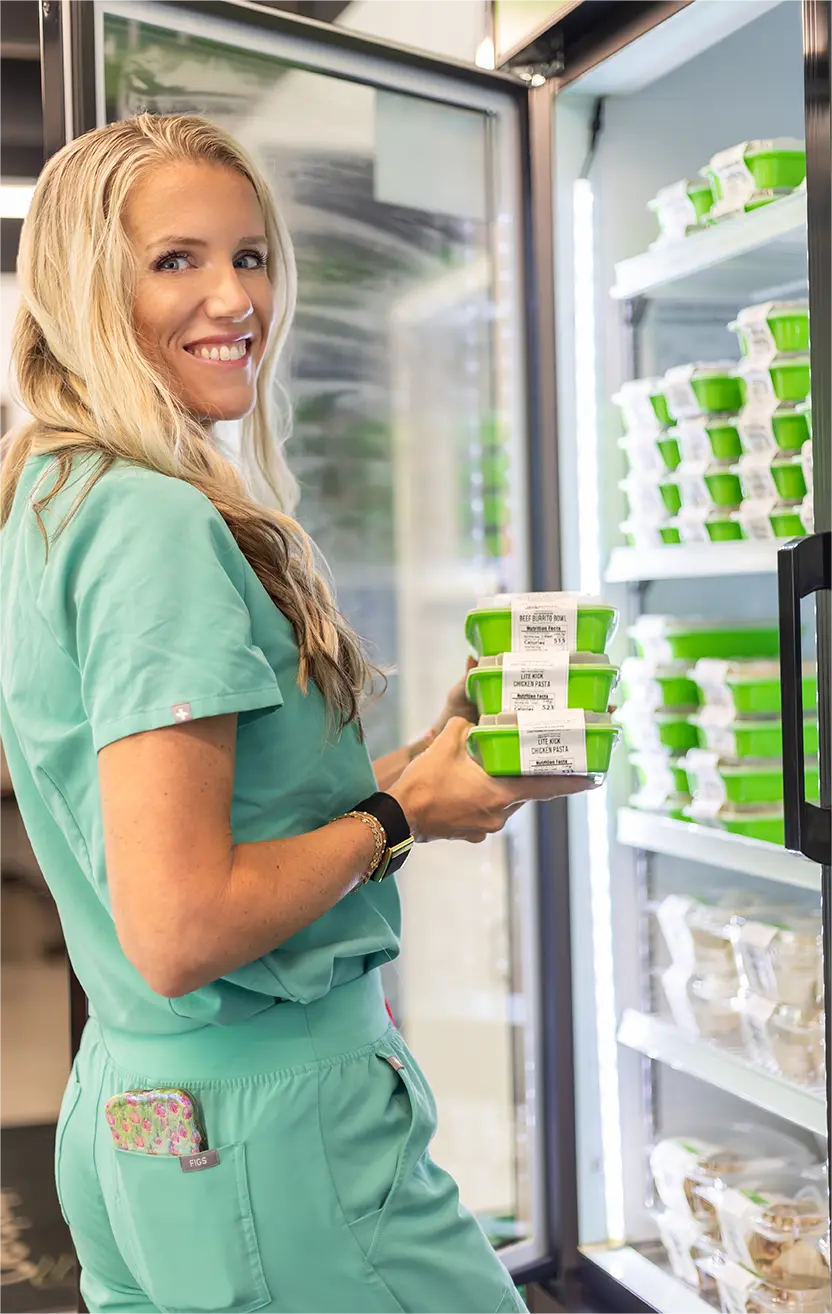
Clearly labeled prepared meals make those decisions easier because you can see both the serving size and nutrition information before choosing.
Review the Ingredient List
The ingredient list gives you another perspective that the nutrition numbers alone can’t provide.
Start by looking at what actually makes up the meal.
If you’re choosing a chicken dish, for example, you might expect to see chicken alongside vegetables, grains, potatoes, rice, sauces, seasonings, or other ingredients that make up the recipe.
You don’t need to reject a meal simply because the ingredient list is long or includes something you wouldn’t keep in your own kitchen.
Prepared foods often contain sauces, seasonings, thickeners, oils, and other ingredients needed to create the finished dish.
Instead, use the ingredient list to understand what you’re eating and determine whether it fits your preferences, dietary needs, or allergens you need to avoid.
Look for Vegetables and Other Fiber-Containing Foods
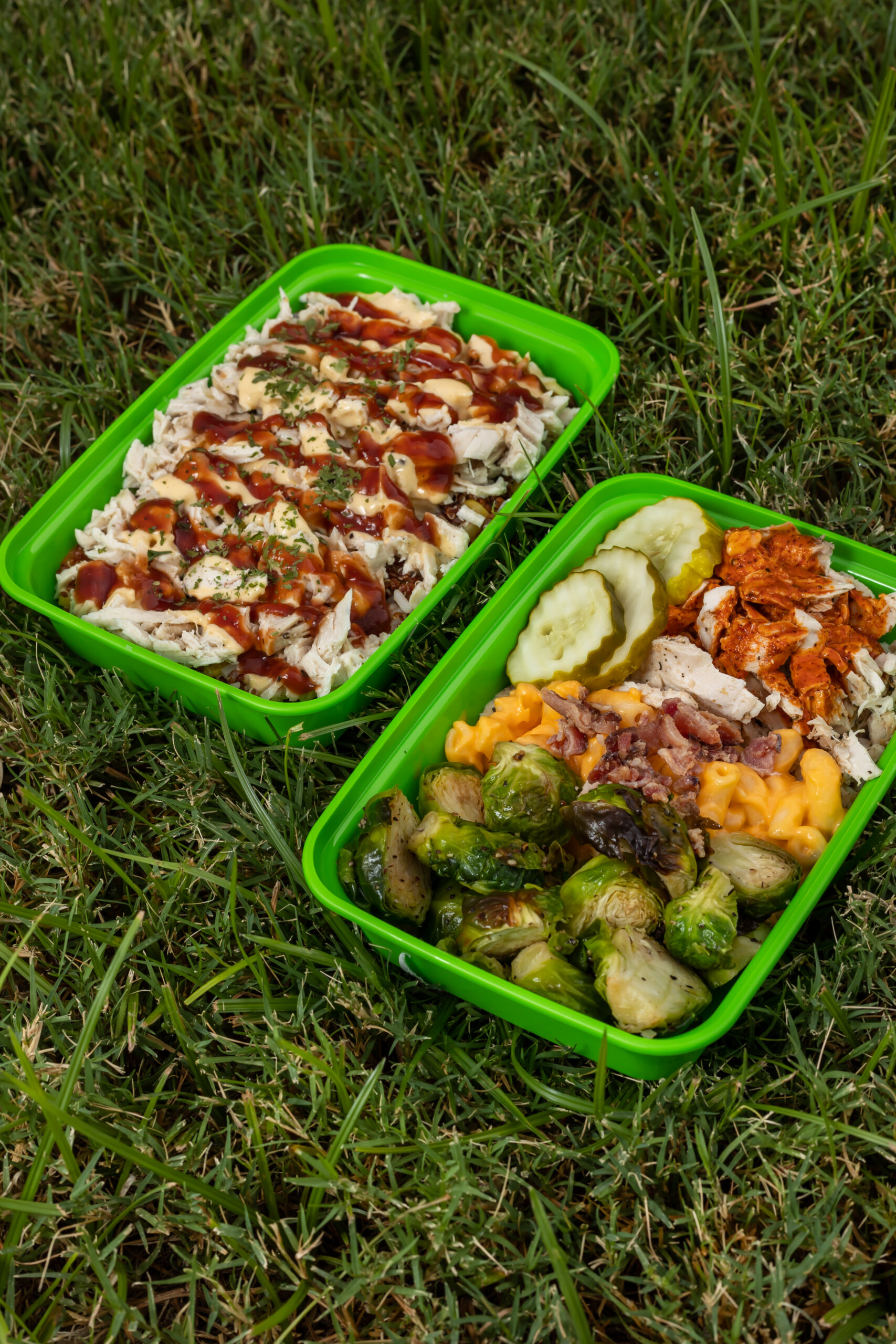
Vegetables can add much more than color to a prepared meal.
They can contribute fiber, vitamins, minerals, texture, and variety while helping create a more complete meal.
Other foods—including beans, lentils, whole grains, fruits, nuts, and seeds—can also contribute fiber depending on the recipe.
Not every prepared meal needs to look like a bowl of vegetables, though.
A breakfast, pasta dish, rice bowl, wrap, and protein-focused entrée will naturally have different nutritional profiles.
Think about your overall eating pattern rather than expecting every individual meal to contain every food group.
Pay Attention to Sodium Without Judging the Meal by One Number
Sodium deserves attention when comparing prepared foods because packaged and restaurant foods can contribute substantially to dietary sodium intake.
Checking the nutrition label allows you to compare options and understand how a meal fits within your overall diet.
At the same time, sodium shouldn’t be considered in isolation.
A meal is a combination of ingredients and nutrients, and individual dietary needs can vary. Someone who has been advised by a healthcare professional to limit sodium, for example, may need to evaluate prepared meals differently from someone without that restriction.
The important part is transparency: having the information available allows you to make the decision that works for you.


Don’t Assume “Fresh” Automatically Means Healthier
Words such as fresh, natural, high-protein, and healthy can influence how we perceive food before we’ve even looked at what’s inside.
That’s why the nutrition information and ingredients matter.
A refrigerated prepared meal isn’t automatically healthier than a frozen meal simply because it is fresh. Freezing can be an effective way to preserve food, and frozen meals vary widely in their ingredients and nutritional profiles.
Fresh prepared meals can offer advantages in areas such as texture, convenience, and eating experience, while frozen options can provide longer storage.
Evaluate the actual meal rather than relying on the category alone.
Choose Meals You’ll Actually Enjoy Eating
This part is easy to overlook.
A prepared meal can look excellent on a nutrition label and still be a poor choice for you if you don’t enjoy eating it.
Taste matters because consistency matters.
If you’re trying to make balanced eating easier during busy weeks, forcing yourself through meals you dislike isn’t a particularly sustainable strategy.
Look for enough variety to keep your routine interesting.
That could mean rotating:
- Different proteins
- Vegetables
- Breakfasts and entrées
- Rice and grain bowls
- Pasta dishes
- Different cuisines
- Sauces and seasonings
Healthy eating doesn’t have to mean eating the same chicken-and-broccoli combination every day.

Think About How the Meal Fits Your Actual Schedule
Nutrition is only part of what makes a prepared meal useful.
Convenience matters too.
Ask yourself when and where you’re realistically going to eat the meal.
Do you need lunch that can be heated quickly at work? Dinner waiting after a late commute? Meals available between school and evening activities? Something convenient after the gym?
A nutritionally balanced meal isn’t particularly helpful if it’s too inconvenient for your routine.
One of the biggest benefits of prepared meals is removing steps from the process: planning, grocery shopping, preparation, cooking, portioning, and cleanup.
The easier a balanced choice is to make when you’re busy, the more practical it becomes to repeat.
Check Storage and Reheating Instructions
Prepared meals can have different storage requirements.
Some are refrigerated and intended to be eaten within a certain timeframe. Others are frozen or shelf-stable.
Always follow the storage, use-by, and reheating instructions provided with the meal rather than assuming all prepared foods should be handled the same way.
This is particularly important for food safety.
If you’re purchasing several meals at once, consider when you expect to eat them and whether you have appropriate refrigerator or freezer space available.
What Does a Healthy Prepared Meal Look Like?
There isn’t one universal formula.
For many people, a balanced prepared meal may include:
A protein source
such as chicken, turkey, beef, fish, eggs, dairy, beans, lentils, or plant-based protein.
Vegetables or other nutrient-dense ingredients
which can contribute fiber, vitamins, minerals, texture, and variety.
A source of carbohydrates
such as rice, potatoes, grains, pasta, beans, fruit, or other foods appropriate to the recipe.
Fats
which may naturally come from ingredients or be incorporated through oils, sauces, dairy, nuts, seeds, or other components.
A portion that works for you
rather than an arbitrary amount that is supposed to suit everyone.
Most importantly, it should be something you enjoy and can realistically fit into your routine.

A Quick Checklist for Choosing Prepared Meals
Before buying a prepared meal, ask:
- Is the nutrition information clearly available?
- Does it contain a protein source that fits my needs?
- What ingredients make up most of the meal?
- Does the portion work for me?
- Are vegetables or other nutrient-dense foods included?
- How much fiber and sodium does it contain?
- Does it accommodate any dietary restrictions or allergens I have?
- Will I actually enjoy eating it?
- Does it fit my schedule?
- Can I store and reheat it properly?
You don’t need every meal to check every possible nutrition box.
The purpose of the checklist is simply to help you make a more informed choice.
How Lean Kitchen Approaches Healthy Prepared Meals
Lean Kitchen is built around making balanced eating more convenient.
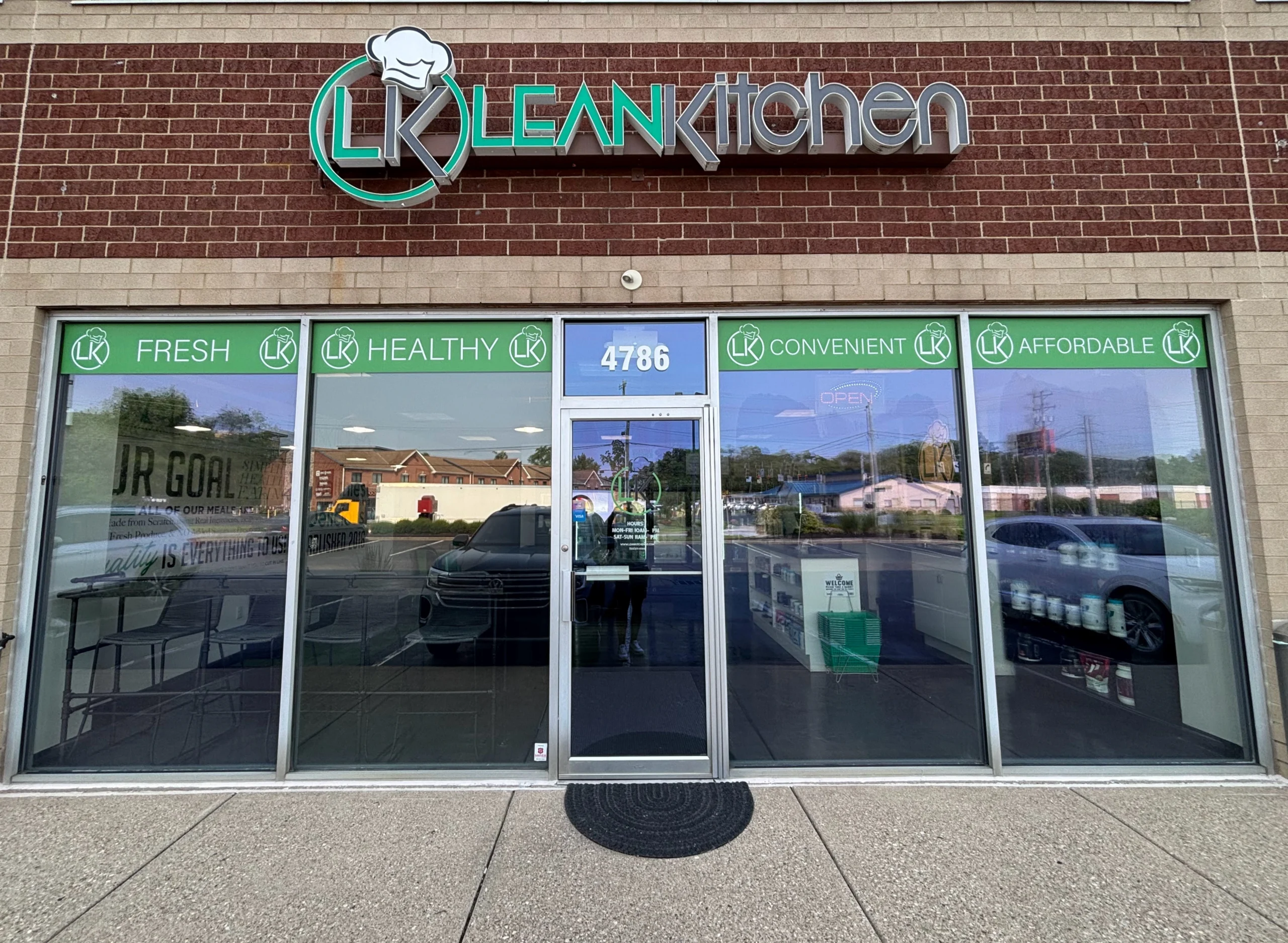
Our stores offer prepared meals with nutrition information available so customers can compare options and choose meals that fit their individual preferences, routines, and goals.
Rather than expecting one meal to work for everyone, customers can choose from different proteins, meal styles, flavors, and nutritional profiles.
That flexibility is important because healthy eating doesn’t look exactly the same for every person.
You can explore our meals to learn more about Lean Kitchen’s approach or find a Lean Kitchen store near you to see what’s available locally.
Frequently Asked Questions About Healthy Prepared Meals
What should I look for when buying healthy prepared meals?
Look at the complete meal rather than one nutrition number. Consider protein, portion size, ingredients, vegetables and other nutrient-dense foods, fiber, sodium, nutrition transparency, taste, storage requirements, and how well the meal fits your lifestyle.
How much protein should a healthy prepared meal have?
There isn’t one protein amount that is appropriate for everyone. Protein needs vary based on factors such as body size, age, activity level, overall diet, and individual goals. Use the nutrition label to compare meals and choose options appropriate for your needs.
Are low-calorie prepared meals always healthier?
No. Calories provide useful information, but a lower-calorie meal isn’t automatically healthier. Consider the meal’s ingredients, protein, portion, fiber, and overall nutritional composition rather than choosing solely by calorie count.
Should I avoid prepared meals with sodium?
Not necessarily. Sodium is an essential nutrient, but many people consume more than recommended. Checking the nutrition label can help you understand how a prepared meal contributes to your overall intake. People with specific medical or dietary requirements should follow guidance from their healthcare professional.
Are fresh prepared meals healthier than frozen meals?
Not automatically. Both fresh and frozen meals can be nutritious. Compare the individual meals based on ingredients, nutrition information, portion size, and how well each option fits your needs rather than assuming one category is inherently healthier.
Healthy Prepared Meals Should Fit Your Life
Choosing a healthy prepared meal doesn’t require finding a perfect nutrition label.
Look at the bigger picture.
Does the meal provide ingredients and nutrition that work for you? Is the portion appropriate? Do you enjoy it? Can you fit it into your schedule consistently?
Those questions matter because healthy eating isn’t only about what looks best on paper.
It’s about finding an approach you can realistically maintain.
For a broader look at the category, read our Healthy Prepared Meals Guide, where we cover what prepared meals are, the different types available, and how they compare with meal prep, meal kits, restaurant takeout, and home cooking.