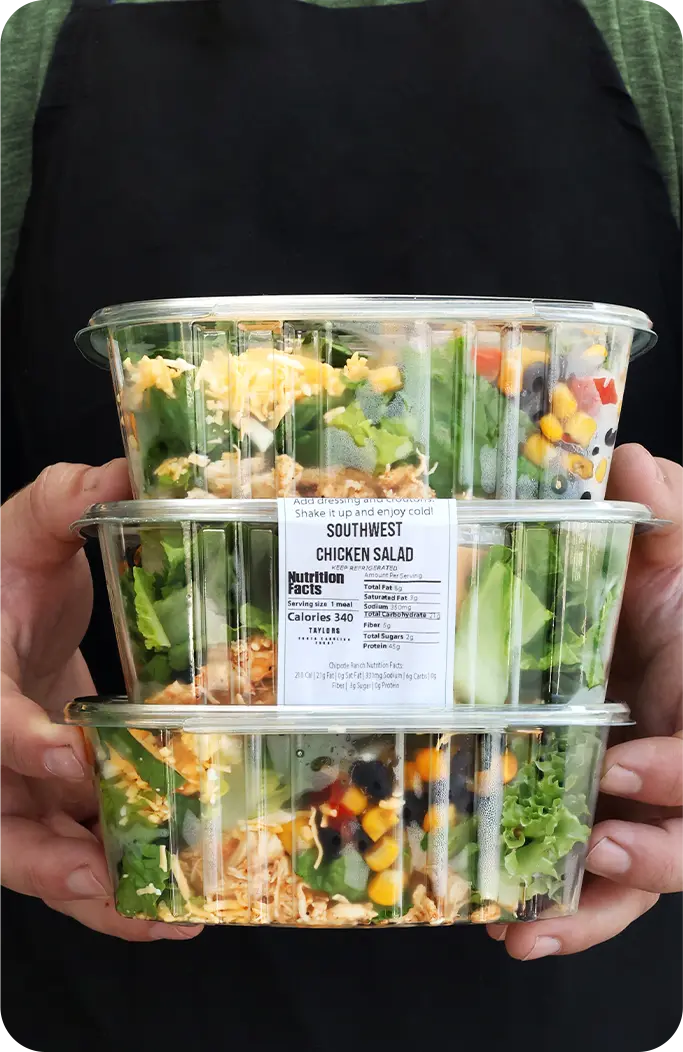
Prepared meals are convenient because most of the work is already done. There’s no need to plan a recipe, prepare ingredients, or spend an hour cooking after a busy day.
But what happens when you buy more meals than you can eat before their recommended use-by date? Can you put them in the freezer and save them for later?
Yes, many prepared meals can be frozen, provided they are handled and stored properly. Freezing can help extend their storage life, reduce food waste, and make it easier to keep convenient meals available for busy days.
However, not every prepared meal freezes equally well. Ingredients, packaging, storage conditions, and the manufacturer’s instructions all affect whether freezing is a good option.
There’s also an important difference between buying freshly prepared meals and freezing them yourself. At Lean Kitchen, our meals are prepared fresh and never frozen before reaching customers. That fresh-first approach doesn’t necessarily prevent customers from freezing certain meals at home, but it’s important to follow the appropriate storage instructions.
Here’s what you should know before freezing your next prepared meal.

Can You Freeze Prepared Meals?
Most cooked foods can be frozen safely when they have been properly prepared, refrigerated, and handled.
Freezing slows the activity of microorganisms that cause food spoilage. However, it doesn’t reliably eliminate harmful bacteria, and it cannot make food safe again if it has already been stored improperly.
That’s why it’s important to freeze prepared meals while they’re still fresh and within their recommended storage period.
Before freezing a meal, consider three things:
- Ingredients: Some foods maintain their texture better after freezing than others.
- Packaging: Not every container is designed for freezer storage.
- Instructions: Some prepared meals have specific storage or reheating requirements.
If a meal’s packaging says it should not be frozen, follow those instructions.
For a broader look at how prepared meals fit into a balanced routine, explore our guide to healthy prepared meals.
Which Prepared Meals Freeze Well?
Some prepared meals are particularly well suited to freezing because their ingredients maintain their texture and flavor after thawing and reheating.
Others may still be safe to freeze but won’t taste quite the same afterward.
Chicken, Beef, and Turkey Meals
Cooked chicken, beef, and turkey generally freeze well when stored properly.
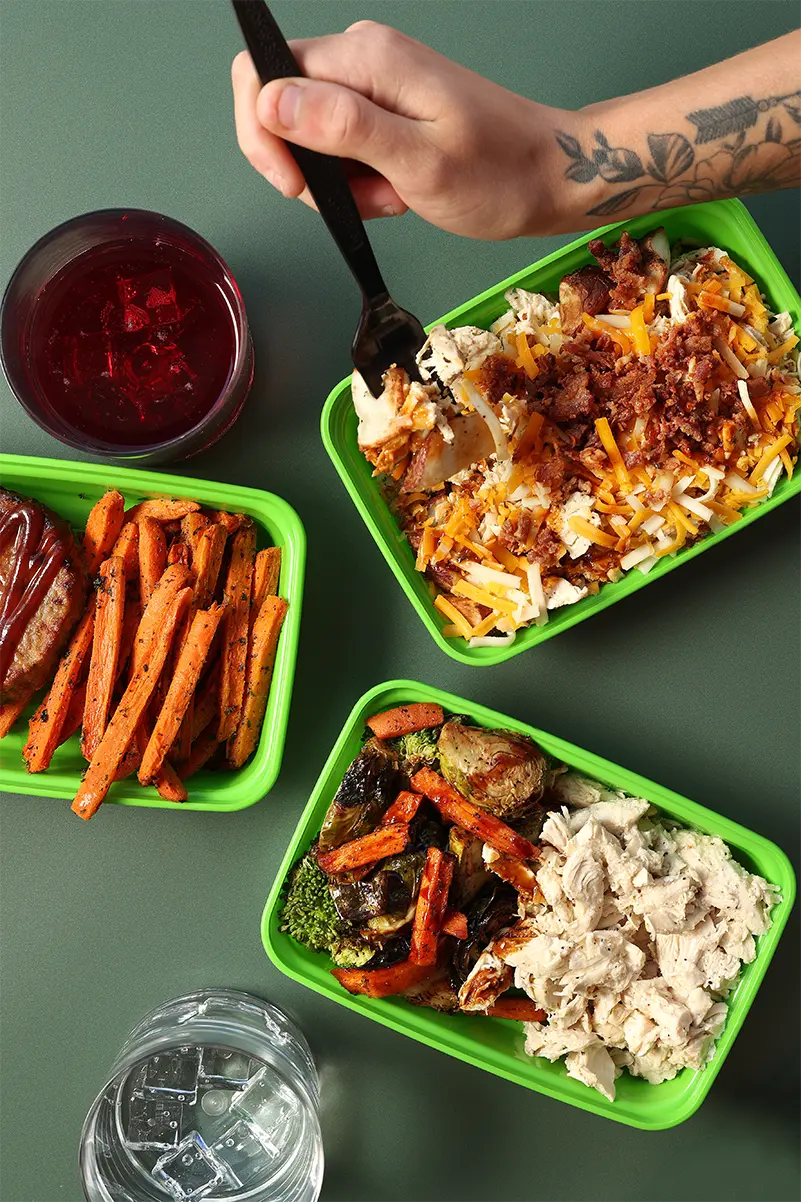
Meals featuring these proteins alongside rice, potatoes, or cooked vegetables are often good candidates for freezing.
However, lean meats can become dry when reheated too aggressively. Using appropriate reheating methods can help preserve moisture.
Rice and Grain Bowls
Cooked rice, quinoa, and other grains can freeze well.
The key is to cool and refrigerate them promptly after cooking, maintain safe storage temperatures, and reheat them thoroughly.
Rice deserves particular attention because improper cooling or storage can allow Bacillus cereus bacteria to grow and produce toxins that reheating may not eliminate.
For commercially prepared meals, follow the storage and handling instructions provided by the manufacturer.
Pasta Dishes
Many cooked pasta dishes can be frozen, especially those containing tomato-based sauces or other ingredients that help retain moisture.
However, pasta may become softer after thawing and reheating.
Cream-based sauces can sometimes separate or develop a grainy texture, so results may vary.
Cooked Vegetables
Many cooked vegetables tolerate freezing reasonably well.
Broccoli, carrots, green beans, and similar vegetables may maintain their quality better than vegetables with particularly high water content.
However, freezing can soften vegetables, especially when they are already fully cooked.
Meals That May Not Freeze as Well
Some ingredients are more likely to experience noticeable changes in texture.
Examples include:
- Fresh lettuce and salad greens
- Raw tomatoes and cucumbers
- Certain dairy-based sauces
- Crispy or breaded foods
- Meals containing delicate fresh ingredients
These foods aren’t necessarily unsafe to freeze, but they may lose some of the qualities that make them enjoyable.
The takeaway: Freezing suitability depends on the complete meal, not just its main protein.
How to Freeze Prepared Meals Properly
Freezing a prepared meal is relatively simple, but a few precautions can make a noticeable difference in quality.
1. Freeze Meals Before Their Use-By Date
Don’t wait until a meal is about to spoil.
If you know you won’t eat a refrigerated prepared meal within its recommended storage period, consider freezing it earlier.
Freezing preserves the condition of the food at the time it enters the freezer. It doesn’t reverse deterioration that has already occurred.
Always follow any product-specific freezing instructions.
2. Use Freezer-Safe Packaging
Not all prepared-meal containers are suitable for freezer storage.
Some plastic containers can become brittle at low temperatures, while certain packaging materials may not provide an adequate barrier against moisture loss.
If the original container isn’t labeled freezer-safe, transfer the food to an appropriate freezer-safe container or bag.
Try to minimize excess air around the food to help reduce freezer burn.
3. Label Your Meals
If you’re transferring meals into different containers, label them with:
- The name of the meal
- The date it was frozen
- Any important reheating instructions
This makes it easier to organize your freezer and use older meals first.
4. Keep Your Freezer at the Right Temperature
The FDA recommends keeping freezers at 0°F (-18°C) or below.
Maintaining a consistent freezer temperature helps preserve food quality and prevents unwanted thawing.
Avoid overloading your freezer to the point that air cannot circulate properly.
5. Avoid Repeated Temperature Changes
Prepared meals should remain properly refrigerated or frozen until you’re ready to use them.
Repeatedly allowing food to warm up and then cooling it again can create food-safety risks.
When transporting refrigerated meals, use an insulated cooler with ice packs when necessary.
How Long Can Prepared Meals Stay in the Freezer?
The answer depends on the meal’s ingredients, packaging, and storage conditions.
According to the USDA, food that remains continuously frozen at 0°F (-18°C) can generally remain safe indefinitely. However, its quality may decline over time.
For many cooked leftovers and prepared dishes, approximately 2–3 months is a practical quality guideline, although recommended storage times vary by food.
This doesn’t mean every prepared meal should automatically be stored for three months.
Commercially prepared meals may have specific freezing instructions or quality recommendations that should take priority.
It’s also important to distinguish between food safety and food quality.
Food safety concerns whether the food is safe to consume.
Food quality concerns flavor, texture, moisture, and overall eating experience.
A meal may remain safely frozen while gradually becoming less enjoyable to eat.
For the best experience, label your meals and use them within an appropriate timeframe.

How to Thaw Frozen Prepared Meals Safely
Proper thawing is just as important as proper freezing.
The USDA recommends three safe thawing methods: refrigerator thawing, cold-water thawing, and microwave thawing.
For prepared meals, the refrigerator and microwave are often the most practical options.
Thawing in the Refrigerator
Refrigerator thawing is generally a convenient option when you can plan ahead.
Move the frozen meal into the refrigerator and allow it to thaw while remaining at a safe temperature.
Thawing time depends on the meal’s size, ingredients, and packaging.
Once thawed, follow the product’s instructions for how soon it should be consumed.
Thawing in the Microwave
Microwave thawing can be useful when you’re short on time.
However, microwaves don’t always heat food evenly. Some areas may begin cooking while others remain frozen.
If you thaw a meal in the microwave, cook or reheat it immediately afterward.
Only use containers labeled as microwave-safe.
What About Thawing on the Counter?
Avoid thawing prepared meals at room temperature.
Leaving perishable food on the counter can allow the outer portions to reach temperatures where bacteria multiply, even while the center remains frozen.
The same concern applies to leaving frozen meals in a car, on a desk, or in an unrefrigerated bag for extended periods.
If you’re taking a prepared meal to work, keep it refrigerated or use an insulated cooler until you’re ready to eat.
How to Reheat Prepared Meals After Freezing
Reheating methods can affect both food safety and eating quality.
The best approach depends on the meal, its packaging, and whether it has been fully thawed.
Reheating in the Microwave
Microwaves are one of the most convenient ways to reheat prepared meals.
For more even heating:
- Transfer the meal to a microwave-safe container if necessary.
- Follow the manufacturer’s reheating instructions.
- Cover the food appropriately to help retain moisture.
- Stir or rotate the food when possible.
- Allow the recommended standing time so heat can distribute more evenly.
For reheated leftovers and similar cooked dishes, USDA guidance recommends reaching an internal temperature of 165°F (74°C).
Use a food thermometer when appropriate rather than relying on appearance alone.
Reheating in the Oven
Oven reheating can work well for certain prepared meals, particularly dishes that benefit from more gradual heating.
Use an oven-safe container and follow any product-specific instructions.
Covering the food may help retain moisture, depending on the dish.
Reheat thoroughly and check the internal temperature when appropriate.
Can You Reheat Prepared Meals Directly From Frozen?
Sometimes.
Certain prepared meals can be reheated directly from frozen, but others require thawing first.
The safest approach is to follow the manufacturer’s instructions.
If a meal was originally sold refrigerated and does not provide instructions for reheating from frozen, don’t assume its normal microwave heating time will be sufficient.
Frozen food generally requires additional heating time, and uneven heating can leave cold spots.
Common Mistakes When Freezing Prepared Meals
Freezing is convenient, but a few common mistakes can reduce food quality or create unnecessary risks.
Freezing Meals Too Late
Freezing food that has already been stored too long doesn’t make it fresh again.
Plan ahead and freeze meals while they’re still within their recommended storage period.
Using the Wrong Containers
Packaging that isn’t designed for freezing may crack, leak, or fail to protect the food from moisture loss.
Choose freezer-safe containers and avoid excessive air exposure.
Forgetting When a Meal Was Frozen
Without a date, it’s easy to lose track of how long something has been sitting in the freezer.
Labeling meals takes only a few seconds and makes freezer organization much easier.
Thawing Meals at Room Temperature
Leaving frozen meals on the counter isn’t a recommended thawing method.
Use safe thawing methods that keep perishable foods out of unsafe temperature ranges.
Reheating Without Checking the Temperature
A meal can feel hot on the outside while remaining cold in the center.
Follow the reheating instructions and check that the food is heated thoroughly.
Expecting Every Meal to Taste Exactly the Same
Freezing can change texture, especially in vegetables, sauces, and certain starches.
A meal may still be safe and nutritious while tasting slightly different after freezing.
Should You Freeze Every Prepared Meal?
Not necessarily.
Freezing is useful when you want to extend storage time, but refrigeration may be the better choice for meals you plan to eat soon.
If a prepared meal is intended to be enjoyed fresh within a few days, freezing may not offer much additional benefit.
Consider freezing when:
- You purchased more meals than you can eat within their recommended storage period.
- Your schedule changed and you won’t be able to eat a meal as planned.
- You want to keep convenient meal options available for future busy days.
- The ingredients and packaging are suitable for freezing.
Refrigeration may make more sense when you plan to eat the meal soon and want to preserve its original texture.
Ultimately, the right decision depends on the meal and your schedule.
How Lean Kitchen Makes Prepared Meals Convenient
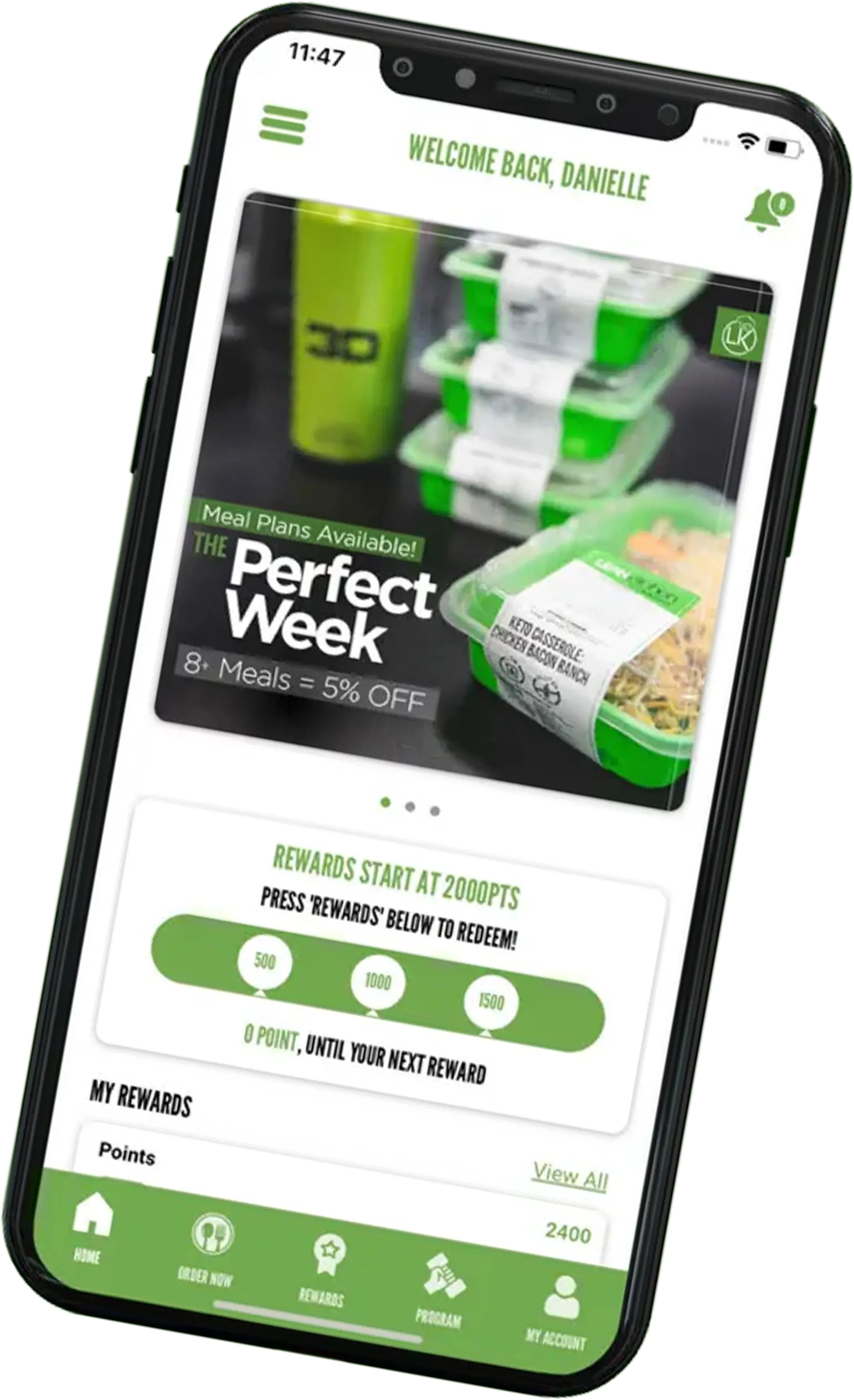
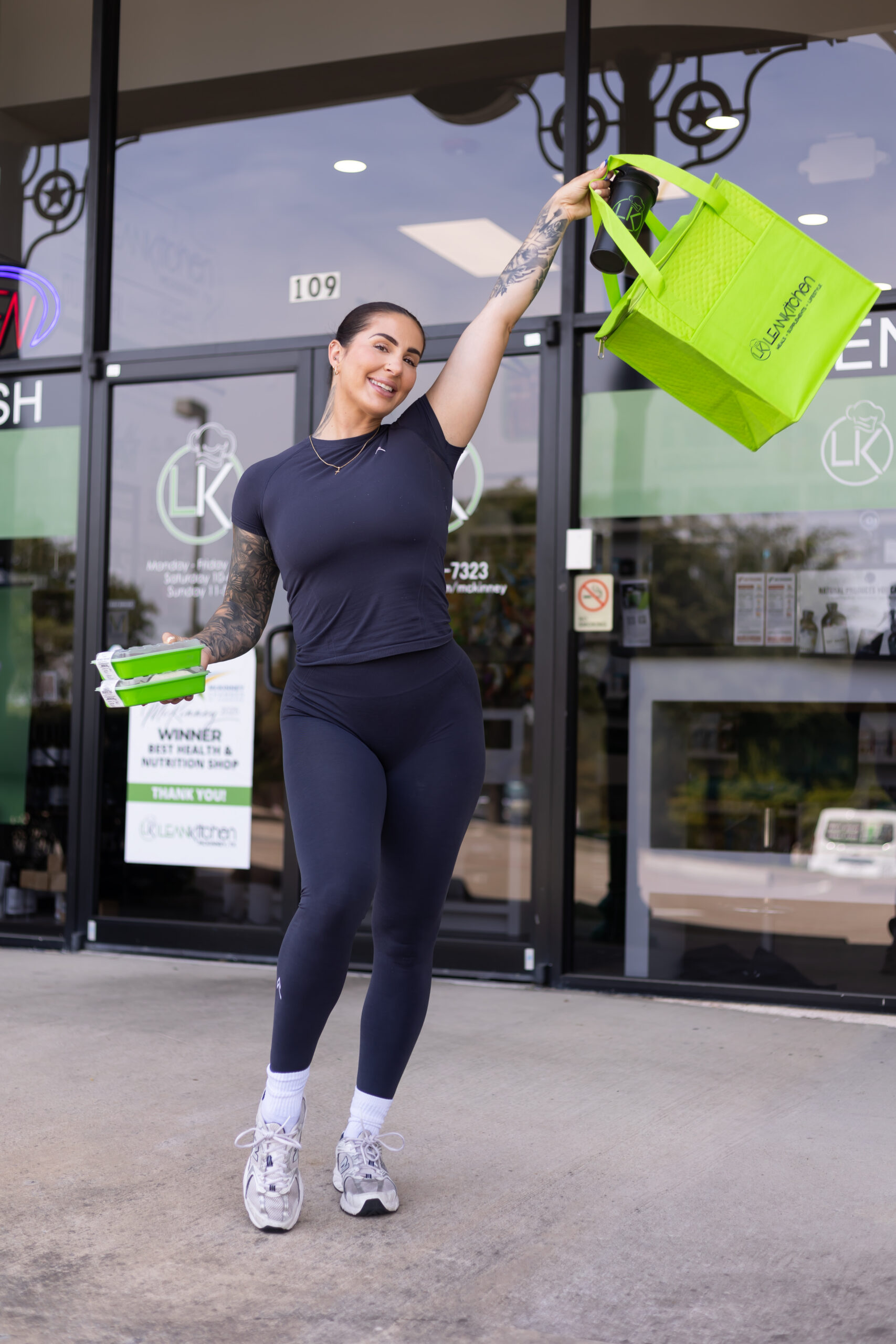
Lean Kitchen takes a fresh-first approach to prepared meals. Our meals are prepared fresh and never frozen before reaching customers, providing convenient, ready-to-heat options without the need to cook from scratch.
Instead of spending time planning recipes, shopping for ingredients, and preparing every meal yourself, you can choose from a variety of freshly prepared meals designed to make everyday eating easier.
Whether you’re looking for a convenient work lunch, an easy dinner, or a way to simplify your weekly routine, having fresh meals ready in your refrigerator can make a difference.
What If You Want to Freeze Your Lean Kitchen Meals?
While Lean Kitchen meals are sold never frozen, some customers may consider freezing their meals at home to extend storage time.
However, we don’t recommend assuming every Lean Kitchen meal is suitable for freezing. Ingredients, sauces, vegetables, and packaging can respond differently to freezing and reheating.
Before freezing a meal, check its individual storage instructions and confirm that its container is freezer-safe. If freezing guidance isn’t provided, contact your local Lean Kitchen store for recommendations.
For the best experience, enjoy your meals within their recommended refrigerated storage period whenever possible.
You can explore our meals or find a Lean Kitchen location near you to see what’s available.
Frequently Asked Questions
Can you freeze store-bought prepared meals?
Yes, many store-bought prepared meals can be frozen safely when handled properly. However, freezing suitability depends on the ingredients, packaging, and manufacturer’s instructions. Always check the product label before freezing.
How long do prepared meals last in the freezer?
Many cooked dishes maintain good quality for approximately 2–3 months in the freezer, although recommendations vary. Food kept continuously frozen at 0°F (-18°C) generally remains safe indefinitely, but flavor and texture can decline over time.
Can you freeze prepared meals in their original containers?
Only if the packaging is suitable for freezer storage. If the original container isn’t labeled freezer-safe, transfer the meal to an appropriate freezer-safe container or bag.
Do you need to thaw prepared meals before reheating?
Not always. Some meals can be reheated directly from frozen, while others should be thawed first. Follow the manufacturer’s instructions and make sure the meal is heated thoroughly.
Does freezing prepared meals make them less healthy?
Freezing generally preserves much of a food’s nutritional value. However, nutritional changes can vary depending on the ingredients, storage conditions, and reheating methods. Texture and flavor changes are often more noticeable than nutritional changes.
Make Prepared Meals Work for Your Schedule
Prepared meals are designed to make everyday eating more convenient. Knowing how to store, freeze, and reheat them properly helps you get more flexibility from that convenience.
Many prepared meals can be frozen successfully, but the best results come from following the product’s instructions, using appropriate packaging, maintaining safe temperatures, and choosing meals that tolerate freezing well.
You don’t need to freeze every meal. Sometimes refrigeration is the better option, especially when you plan to eat it within the recommended timeframe.
The goal is simply to make convenient, balanced eating easier to maintain.
For more guidance on choosing prepared meals, nutrition, and convenience, visit our complete Healthy Prepared Meals Guide.