Prepared meals can absolutely be a healthy option, but not every prepared meal is created the same way. The nutritional quality depends on the ingredients, portion size, protein, vegetables, overall balance, and how the meal fits into your individual routine.
Instead of deciding that all ready-to-eat meals are either healthy or unhealthy, it is more useful to know what to look for before making a choice.
In this guide, we’ll break down how to evaluate prepared meals, what nutrition information matters most, and how convenient meals can fit into a balanced lifestyle.
If you’re new to the category, start with our complete guide to healthy prepared meals.
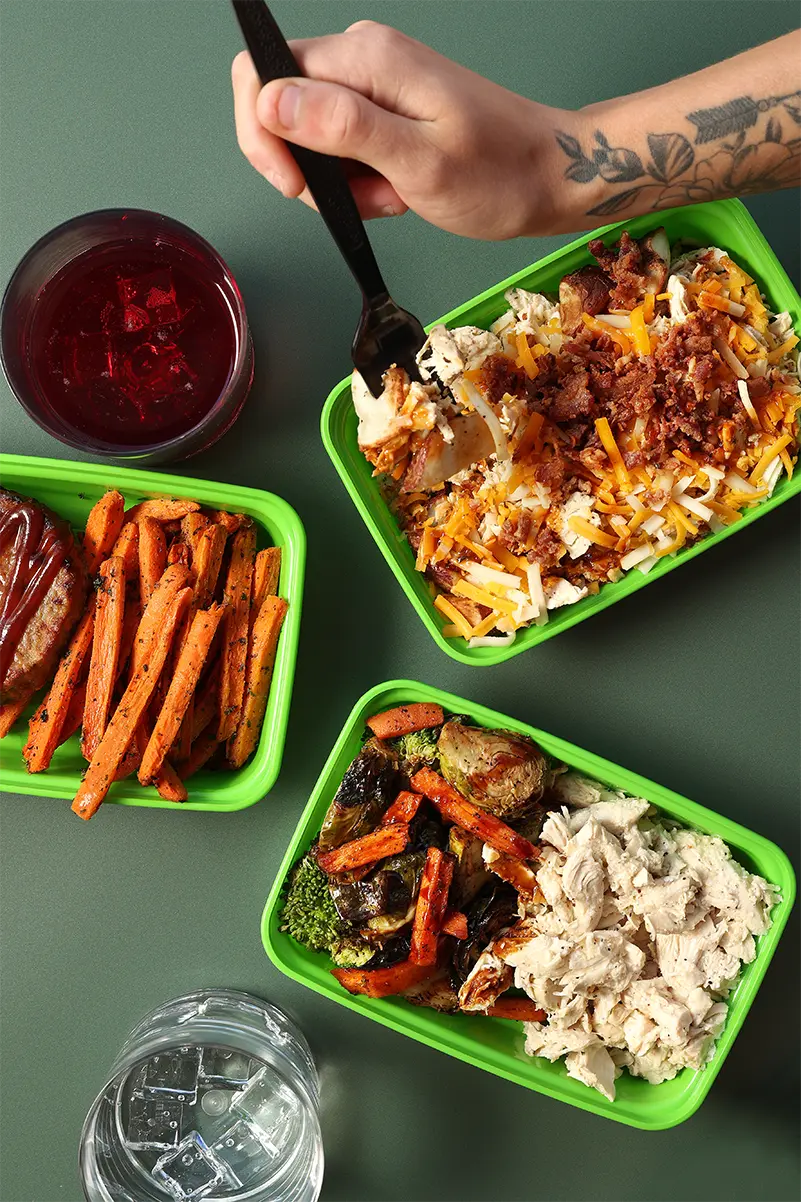
What Exactly Is a Prepared Meal?
A prepared meal is a fully assembled meal that has already been cooked and generally only needs to be reheated before eating. Some prepared meals are sold refrigerated, while others are frozen or shelf-stable.
That makes them different from meal kits, which provide ingredients but still require cooking, and from traditional meal prep, where you purchase, cook, portion, and store the food yourself.
The main appeal is convenience. Prepared meals remove much of the shopping, chopping, cooking, portioning, and cleanup associated with making meals from scratch.
Convenience alone, however, does not tell you whether a meal is a nutritious choice.
So, Are Prepared Meals Healthy?
They can be.
A prepared meal can include the same kinds of ingredients you might use when cooking at home: protein, vegetables, grains or other carbohydrates, healthy fats, herbs, spices, and sauces.
The important question is not simply whether a meal was prepared ahead of time. What matters is what is actually in the meal and how the meal is balanced.
Some prepared meals are built primarily around convenience. Others place greater emphasis on protein, vegetables, portion balance, ingredient quality, and nutrition transparency.
This is why looking beyond the words on the front of the package matters.
What Should You Look for in a Healthy Prepared Meal?
There is no single nutrition number that automatically makes a meal healthy. Instead, evaluate the meal as a whole.
1. Start With the Protein
Protein helps make meals satisfying and plays an important role in maintaining muscle and supporting an active lifestyle.
Look at both the amount and source of protein in the meal. Depending on your preferences, that may include chicken, turkey, beef, fish, eggs, dairy, tofu, beans, lentils, or other plant-based sources.
Your individual protein needs will vary, so there is no universal number every meal needs to reach.
For a deeper look at Lean Kitchen’s approach to protein-focused meals, visit our guide to protein-forward meal prep.
2. Look at the Meal as a Whole
It is easy to focus entirely on calories or protein, but neither tells the full story.
A well-rounded prepared meal may combine protein with vegetables, carbohydrates, fats, and other ingredients that make the meal satisfying and enjoyable.
Balance can look different depending on the person. Someone training regularly may prefer a different meal than someone looking for a lighter lunch during the workday.
The goal is not to find a universally perfect meal. It is to find meals that fit your needs.
3. Check the Nutrition Label
One of the biggest advantages of clearly labeled prepared meals is that you do not have to guess.
Nutrition information may include:
- Calories
- Protein
- Carbohydrates
- Fat
- Fiber
- Sodium
- Serving size
Rather than judging the meal from one number, use the label to understand the complete nutritional picture.
This is especially helpful if you are comparing several meals or trying to choose options that fit specific preferences.
4. Review the Ingredients
The ingredient list can tell you a lot about a prepared meal.
Look for ingredients you recognize and meals built around foods you would reasonably expect to see in a balanced lunch or dinner.
That does not mean every ingredient needs to be minimally processed or that every sauce and seasoning should be avoided. Processing exists on a spectrum, and convenience foods can still fit within an overall balanced eating pattern.
What matters is the overall composition of the meal.
5. Consider the Portion Size
A meal can use nutritious ingredients and still not be the right portion for every person.
Some people need larger meals because of their activity level, body size, or daily schedule. Others may prefer smaller portions.
Prepared meals with clearly defined serving sizes make it easier to understand what you are getting and choose accordingly.
6. Don’t Forget About Taste
Nutrition matters, but so does actually enjoying the food.
If a meal technically fits every nutrition target but you dislike eating it, it is unlikely to become part of a sustainable routine.
Variety in proteins, vegetables, seasonings, sauces, and cuisines can make prepared meals much easier to enjoy consistently.
Are Ready-to-Eat Meals the Same as Processed Food?
Not necessarily.
The word processed covers an enormous range of foods. Washing, chopping, cooking, freezing, and packaging are all forms of food processing.
A prepared chicken-and-rice meal and a packaged snack food are both technically processed, but they are very different products.
Rather than using the word “processed” as a shortcut for determining whether something is healthy, look at the meal itself:
- What ingredients are included?
- Does it contain a meaningful protein source?
- Are vegetables or other nutrient-dense foods included?
- Is nutrition information available?
- Does the portion work for you?
Those questions are much more useful than the label alone.
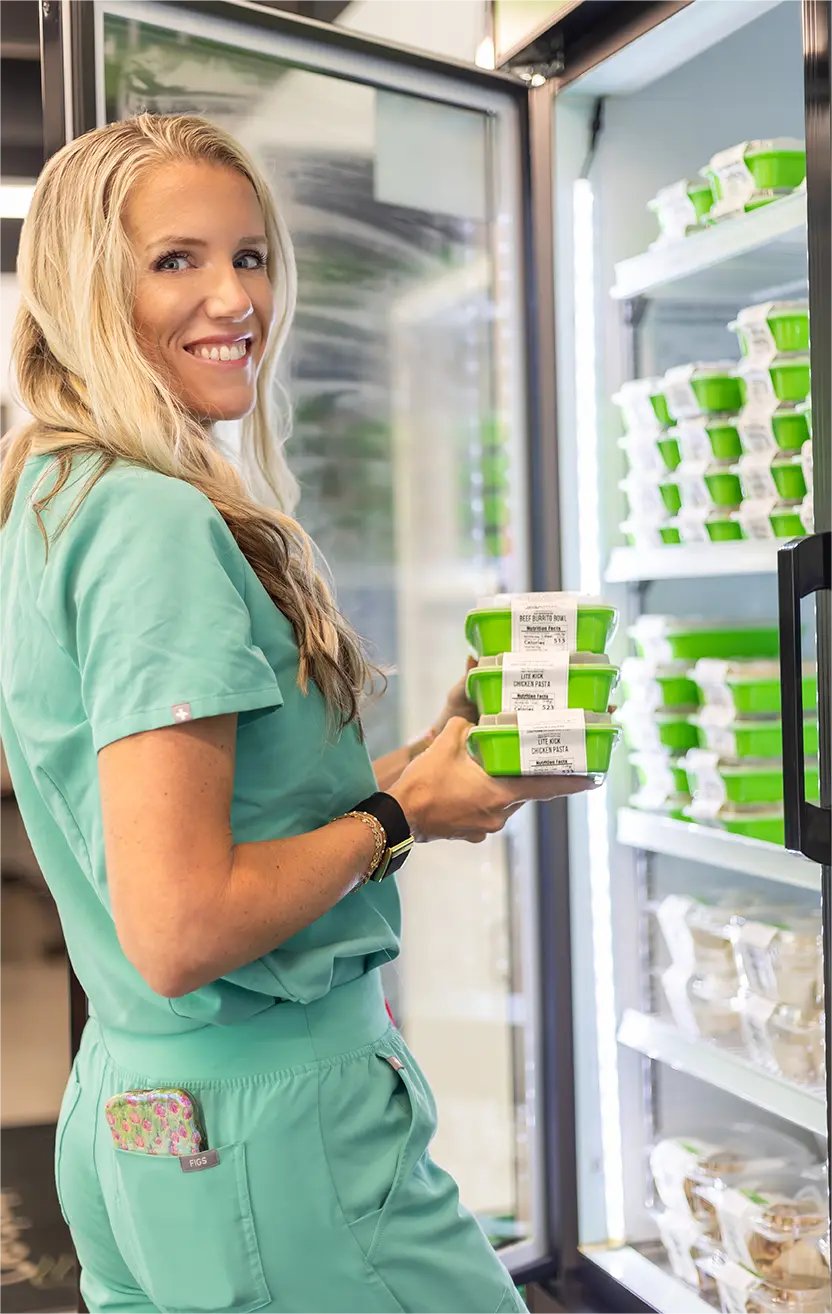
Are Fresh Prepared Meals Healthier Than Frozen Meals?
Fresh is not automatically healthier, and frozen is not automatically unhealthy.
Both refrigerated and frozen prepared meals can fit into a balanced diet.
Fresh refrigerated meals are often chosen for texture, convenience, and the experience of eating recently prepared food. Frozen meals offer the advantage of longer storage and can be helpful when schedules are unpredictable.
The better comparison is between individual meals—not simply between fresh and frozen categories.
Look at ingredients, nutrition information, portion size, taste, and how well each option fits your routine.

Are Prepared Meals Better Than Restaurant Takeout?
Neither option needs to be treated as universally better.
Restaurant takeout is popular because it is convenient, widely available, and offers plenty of variety. It can absolutely be part of a balanced lifestyle.
Prepared meals can offer another form of convenience with greater predictability. Nutrition information and portion sizes may be easier to review before eating, depending on the provider.
The biggest advantage may simply be planning.
When you already have a balanced prepared meal available, you’re less likely to make a last-minute food decision because there is nothing else ready to eat.
Can Prepared Meals Help You Eat More Consistently?
This may be where prepared meals provide the most practical value.
Most people don’t struggle because they’ve never heard that vegetables, protein, or balanced meals are good choices. The challenge is making those choices when schedules become busy.
A typical week may include work, commuting, family responsibilities, workouts, appointments, school activities, and unexpected changes.
Having meals already available removes several steps from the process.
You don’t need to decide what to cook, shop for every ingredient, spend time preparing the meal, or clean the kitchen afterward.
That convenience can make balanced eating easier to repeat.

Who Might Benefit Most From Healthy Prepared Meals?
Prepared meals can work for many different lifestyles.
Busy Professionals
Prepared meals can provide predictable lunches and dinners when meetings, commuting, or long workdays make cooking difficult.
Families
Parents can use prepared meals during especially busy evenings when cooking from scratch isn’t realistic.
Active Individuals
Clearly labeled nutrition information can make meal selection easier for people who pay attention to protein and overall nutrition as part of an active routine.
People Who Don’t Enjoy Meal Prep
Traditional weekly meal prep works well for some people. Others dislike spending several hours cooking and portioning meals every weekend.
Prepared meals offer many of the convenience benefits of meal prep without requiring you to do all the preparation yourself.

Common Mistakes When Choosing Prepared Meals
A few simple mistakes can make it harder to choose meals that fit your goals.
Choosing Based Only on Calories
A lower-calorie meal is not automatically the more balanced or satisfying option. Look at protein, ingredients, portion size, and the overall meal.
Assuming “Healthy” Means the Same Thing for Everyone
Nutrition needs vary considerably. The right meal for someone training intensely may be different from the right meal for someone looking for a quick office lunch.
Ignoring Convenience
A meal can look ideal nutritionally but still be impractical if it doesn’t fit your schedule, storage needs, or eating routine.
Sustainability matters.
Buying the Same Meals Every Week
Variety helps prevent boredom. Rotating proteins, cuisines, vegetables, and meal styles can make a prepared meal routine easier to maintain.
How Lean Kitchen Approaches Prepared Meals
At Lean Kitchen, the goal is simple: make balanced eating easier for people with busy schedules.
Our prepared meal options are designed to provide convenience without requiring customers to spend hours planning, cooking, portioning, and cleaning every week.
Nutrition information helps customers compare meals and make choices based on their individual preferences and goals.
Customers can explore different meal options and use their local Lean Kitchen location to find the choices that work best for their routine.
Want to see how that approach works in practice? Learn more about our meals or find a Lean Kitchen location near you.
Frequently Asked Questions About Healthy Prepared Meals
Are prepared meals healthy?
Prepared meals can be healthy when they provide balanced nutrition, appropriate portions, quality ingredients, and nutrition information that fits your individual needs. The nutritional quality varies from meal to meal, so evaluating each option is more useful than judging prepared meals as a category.
Are ready-to-eat meals healthy?
Ready-to-eat meals can fit into a balanced eating routine. Look at the protein, vegetables, ingredients, portion size, and nutrition label before deciding whether a particular meal works for you.
Are premade meals healthier than takeout?
It depends on the specific meals being compared. Prepared meals may offer more predictable portions and easier access to nutrition information, while restaurant takeout offers convenience and variety. Both can fit into an overall balanced lifestyle.
What should I look for when buying prepared meals?
Consider the overall nutritional balance, protein, vegetables, portion size, ingredients, nutrition information, taste, variety, and how well the meal fits your schedule.
Do prepared meals have to be refrigerated?
Not always. Some prepared meals are refrigerated, others are frozen, and some products are shelf-stable. Follow the storage and food-safety instructions provided with the specific meal.
Healthy Prepared Meals Should Make Healthy Eating Easier
Prepared meals are not automatically healthy simply because they’re convenient, and they don’t need to replace every meal you cook at home.
They’re another tool.
The best prepared meals combine convenience with nutrition transparency, satisfying ingredients, appropriate portions, and enough variety to fit comfortably into your routine.
If that makes healthy eating easier to maintain during busy weeks, prepared meals can be a practical part of a balanced lifestyle.
Ready to explore your options?
Read our complete Healthy Prepared Meals Guide or find your nearest Lean Kitchen location.